
Optimising oil scavenge port angles for efficient return at high pitch
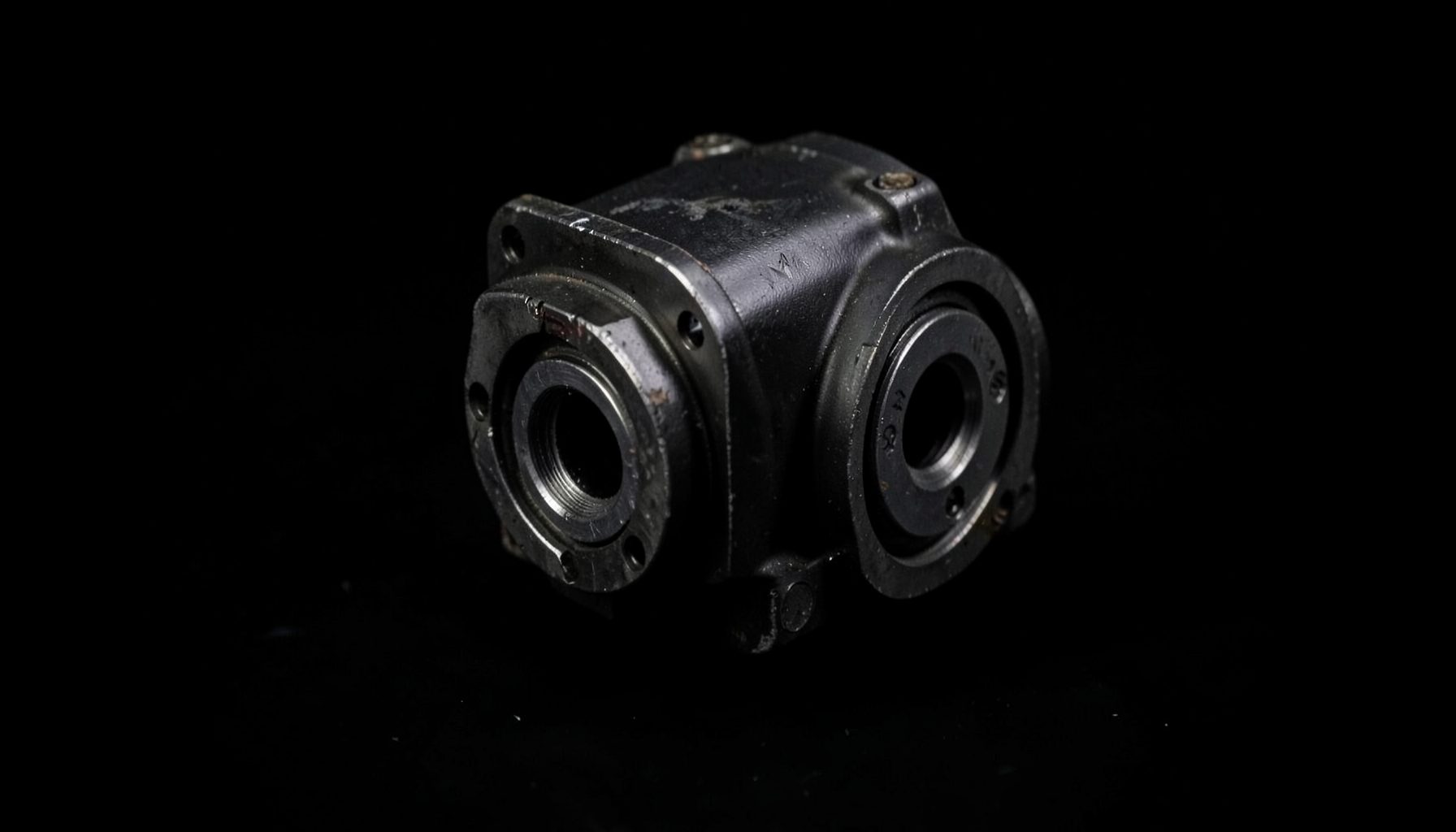
An oil scavenge port is a small passage with an outsized effect on a high-speed gearbox. Oil thrown onto rotating gears must return to the sump or oil line, and the opening’s angle can determine how readily that oil is captured, how much it is sheared and what back pressure develops. Optimising the angle of oil scavenge ports can therefore improve bearing lubrication while reducing retained oil, unnecessary pump load and heat. In a geared turboprop at high pitch, those effects become part of aircraft efficiency and dispatch reliability.
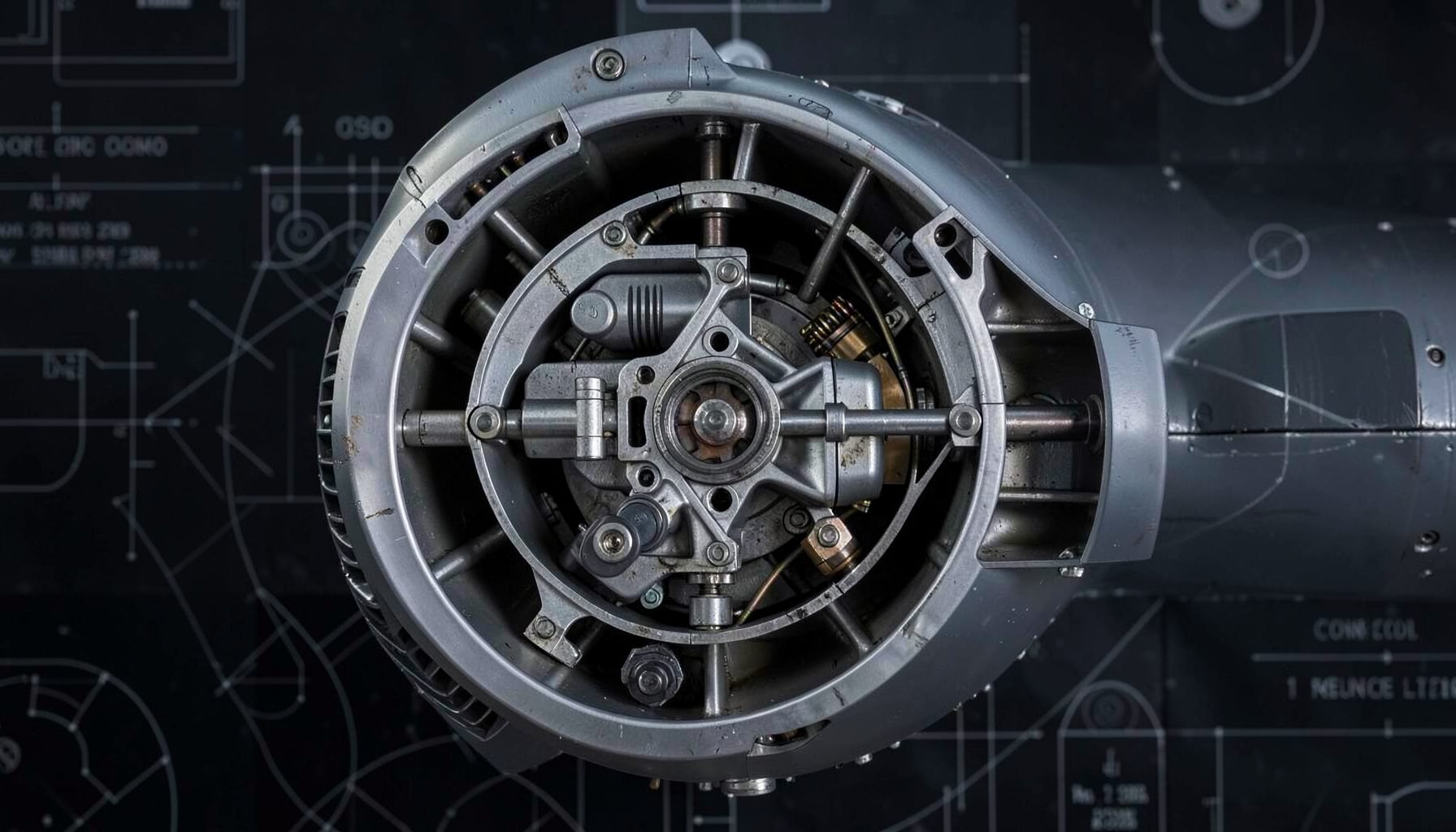
The OPTIMIZE Project treats power-reduction gearboxes for geared aircraft engines as integrated engineering problems. Its combination of design of experiments, simulation, tolerance analysis and physical testing provides a sound route for investigating scavenge-port angle without relying on one idealised flow pattern. The objective is a practical range that works outside the laboratory, not a single number that succeeds on the bench and fails in service. The project’s ambitions for efficiency, durability, weight and power density give the work a clear performance context, while its published objectives and videos provide a useful starting point for technical discussions.
Why port angle matters at high pitch
High pitch should be treated as an operating envelope, not a synonym for high speed. On a turboprop, a high commanded blade pitch usually increases aerodynamic loading and shaft torque. If engine speed is governed, the gears may turn no faster while torque, churning losses and heat rejection increase; if speed can rise, centrifugal effects strengthen too. Oil viscosity falls with temperature, giving bearings a thinner film when they are working harder. An arrangement that drains well with cool, viscous oil may behave differently once the oil is hot.
Within a rotating stage, oil follows a mixture of inertia, pressure and gravity rather than taking the shortest theoretical route. A passage’s inclination relative to local rotation affects its approach, edge shear and the chance of residual liquid being held inside. A discharge aimed into the prevailing flow can raise local back pressure and reduce net return. Port angle is not a cure-all: insufficient supply, a blocked filter, the wrong oil grade or excessive bearing clearance will still defeat an otherwise good passage.
The change must coexist with stable gear loading. The OPTIMIZE Project’s account of shaft torsional stiffness explains how compliant drivetrains can alter gear-rattle behaviour. Rattle is not merely acoustic; it can change the load and energy transmitted through the train, affecting bearing demands and oil agitation. An improved scavenge angle should not conceal an underlying mesh problem. Holding tooth contact, backlash and torsional stiffness controlled separates the lubrication benefit from a misleading change in the gearbox’s apparent behaviour.
Building an Australian operating envelope
Australia supplies a demanding operating envelope for geared aircraft. Regional turboprop services connect hubs such as Brisbane, Alice Springs and Darwin with places including Longreach and Katherine. Long sectors, limited diversion options and the expense of moving an aircraft or specialist tooling make oil consumption, temperature stability and repeatability major commercial concerns. The local priority is dispatch reliability: a small change in the oil system should not become a reason for an aircraft to sit away from service.
Australian agricultural aviation adds a high-pitch case with its own pressures. Large turboprops carry seasonal loads over grain and cotton country, where hot days, long working days and dusty strips can reduce operating margin. Heavy payloads and demanding pitch settings can raise torque and alter oil temperature, while ground crews need predictable response after an engine start or shutdown. A scavenge arrangement that leaves less oil trapped in the gearbox can reduce contamination and inspection work, provided it remains effective after cooling and settling.
Climate sharpens those requirements. Red dust and high ambient temperatures around Alice Springs can load filtration, while humid, salt-laden air around Cairns raises the importance of seal performance and corrosion control. RAAF operations from bases such as Williamtown, Amberley and Pearce add requirements for mobility and maintainability. Australian teams also work with CASA-approved Part 145 maintenance organisations and local suppliers, making records, calibrated equipment and approved repairs crucial. International collaboration can draw on organisations such as European Aeronautical Engineers, although certification, spares and support still need an Australian path. As Australian teams often say, the job is to sort out the root cause, not simply reset the fault.
Using design of experiments to find a robust angle
Treat angular position as a deliberate design factor, not a detail left to the drawing office. A screening experiment could compare several port angles around a proven baseline while keeping diameter, edge geometry and passage area sensible. It should also examine interactions with carrier speed, applied torque, return-line restriction, oil temperature and lubricant properties. A factorial design can identify dominant effects; a response-surface design can then map the feasible region between poor drainage, excessive drag and inadequate supply. The best angle for one machine need not suit another.
Choose responses that show whether the oil is doing its job. Measurements can include return flow at controlled temperature, pressure drop across the scavenge path, oil retained after shutdown, bearing or oil temperature, vibration and drive torque. Filter debris and post-test inspections can reveal wear that flow data alone would miss. No single number defines success. A slightly lower flow rate may be acceptable if aeration falls and films remain stable, while high flow produced by a wasteful pump can conceal inefficient port geometry. A calibrated oil balance should separate retention from consumption, with leakage and evaporation accounted for.
The approach has a useful parallel elsewhere in the gearbox. The OPTIMIZE Project’s related raceway curvature study applies design of experiments to bearing-race curvature and its effects on fatigue life and friction. Bearing contact, lubricant supply and surface geometry interact much as port angle, oil viscosity and rotating speed do. Both studies need deliberate factor selection, clear response definitions and confirmation runs outside the screening conditions. The result should therefore be an acceptable angle band with operating conditions attached, not one unqualified winner.
Controlling manufacturing variation and hyperstatic load paths
Manufacturing variation determines whether an optimum survives production. Port position, effective bore, edge break, surface finish and casting distortion can all move a passage away from its nominal geometry. Angular error matters in proportion to the local flow path: a few degrees may do little in a large passage yet alter capture or discharge significantly in a compact high-speed stage. As-built flow can differ from prediction even when the drawing is met. Statistical tolerance analysis should propagate port and surface variation into predicted flow, temperature and vibration, rather than treating the nominal angle as an exact boundary.
Geared engines also impose a load-sharing problem. Epicyclic arrangements with several members carrying load are hyperstatic: some internal forces cannot be calculated from external equilibrium alone. Oil-induced drag changes the torque required by a rotating stage and can redistribute internal loads, while clearances and tooth geometry alter where those loads go. A tolerance study must couple lubrication effects with the stiffness and geometry of the train. Otherwise, a port adjustment could appear to improve one response by masking an alignment or mesh issue. Control those variables, record the baseline and evaluate the oil change separately.
Evidence must remain traceable as the design moves from simulation to hardware and service. Searchable records, superseded drawings, calibration results and clear decisions about contractual tolerances can prevent one successful batch being treated as universal. The broader storage management guide reinforces the value of organised, retrievable information; in an aerospace programme, that becomes configuration control. A retained oil sample, inspection image or measured flow result is useful only when its test conditions and provenance can be recovered later.
Proving the result with physical testing
Simulation narrows the candidates; physical testing establishes whether fluid and structure behave as modelled. A production-representative gearbox should run on a dynamometer or purpose-built rig with controllable speed, applied torque and return-line restriction. Calibrated flow measurement, pressure taps, temperature sensors and torque instrumentation can capture responses at the port and around the bearings. The intended lubricant should be used, with its temperature, viscosity and aeration recorded. Simulating altitude through controlled pressure is useful, but a bench programme does not need every flight profile; it needs the thermal and load states that control oil return.
Run the matrix in stages. Begin with a known-good baseline and a cold-soak check, then increase speed and load through approved limits while logging flow, pressure, temperature and vibration. Hold the condition representing the highest rated pitch duty until oil temperatures and clearances stabilise, repeat representative points and examine retained oil after shutdown. Any overspeed investigation should follow a separate, controlled safety plan. Afterwards, inspect passages, filters, bearings and gear surfaces for wear, cracking or aeration. Replicate the best angles with different manufactured units to test robustness.
The final decision should compare each candidate with the existing baseline on the same rig, using measured efficiency, oil consumption, thermal margin, vibration and wear as joint criteria. Uncertainty from instrumentation and repeatability must be reported, because a narrow nominal advantage can disappear within the scatter. The outcome can specify an angle range, a tolerance, revised surface requirements and any changes to the return circuit. This is how a small passage contributes to the OPTIMIZE Project’s wider goals of efficiency, durability, reduced weight and improved power density: through a change whose benefits and limits have been demonstrated.
Engineers and research partners can turn this work into a concrete programme by nominating a baseline gearbox, defining the high-pitch duty cycle and agreeing on the measured responses. The first experimental campaign should compare the current port arrangement with a small set of angle candidates, then expand only the factors shown to matter. Australian operating conditions and maintenance constraints belong in the initial plan, not in a later addition after a laboratory optimum has been selected.
Build the test plan around a measurable target: reliable oil return, stable bearing temperatures and no increase in retained oil or vibration at the highest rated pitch condition. Work with the OPTIMIZE Project’s methods, objectives and engineering partners to take that baseline through simulation, tolerance analysis and physical testing. The deliverable is a tested port-angle range that can be released to manufacture with confidence.